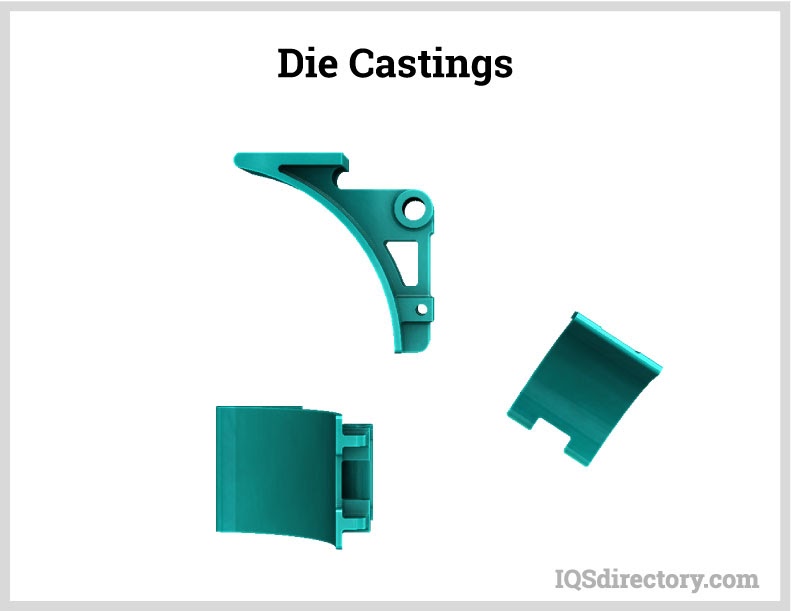
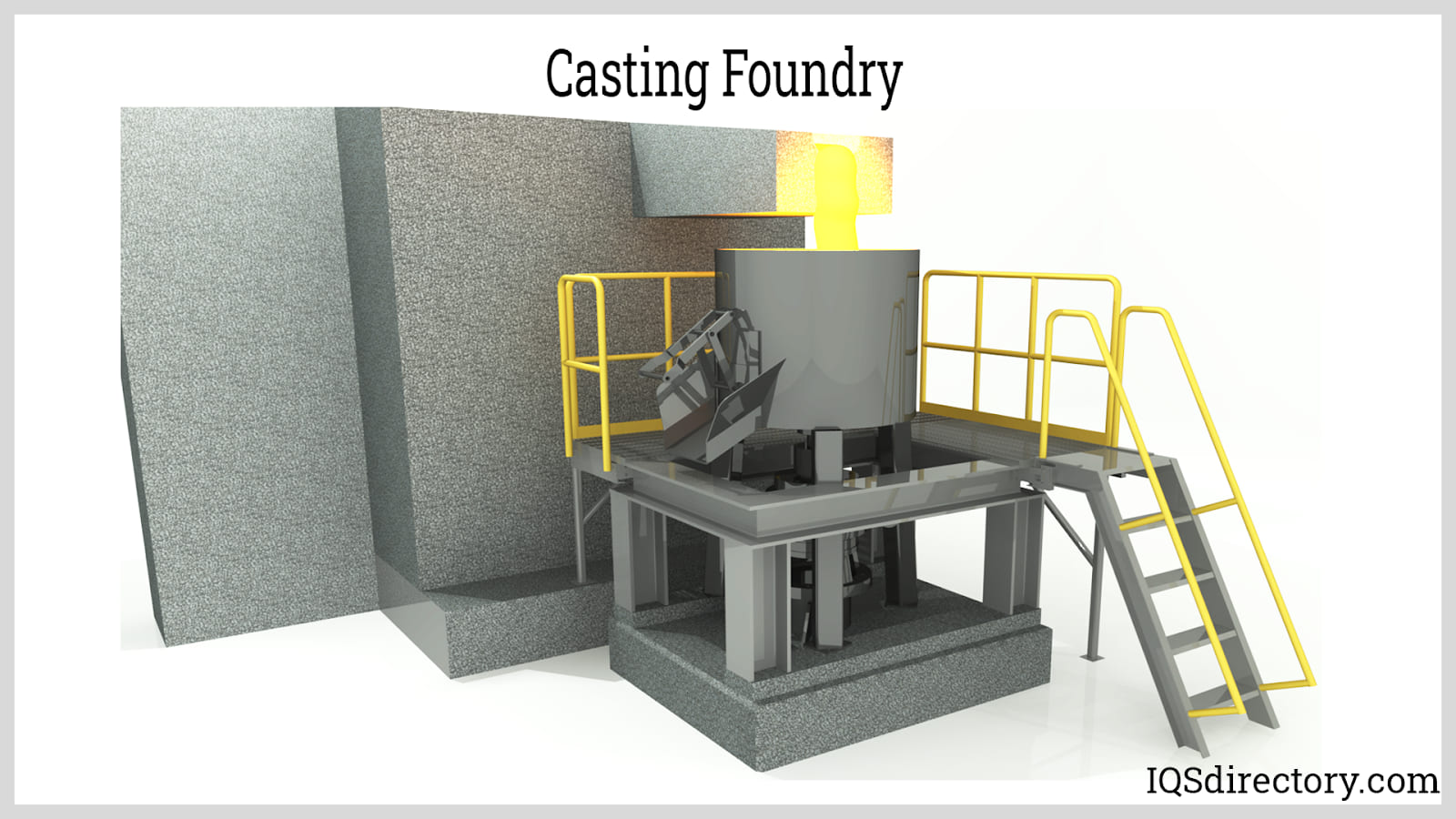
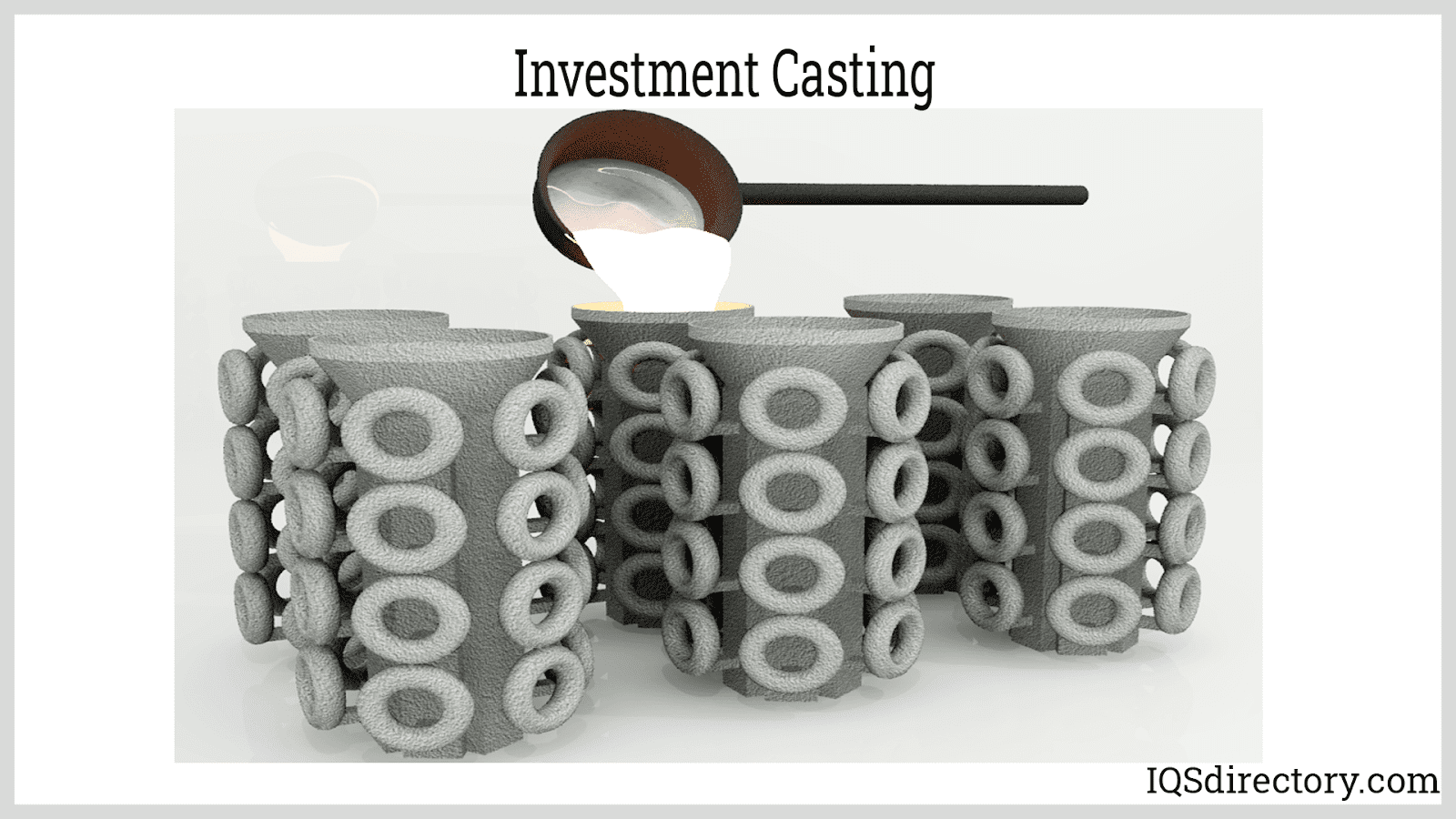
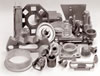
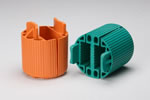
Die casting is a process by which solid metal parts and shapes, called die castings, are formed. Die casting takes place in facilities called foundries. In short, die casting works by applying high pressure and forcing molten material into dies, also called molds or die molds, then letting the metal cool. Secondary finishing processes sometimes follow this process to bring die castings up to the quality their intended applications. Read More…
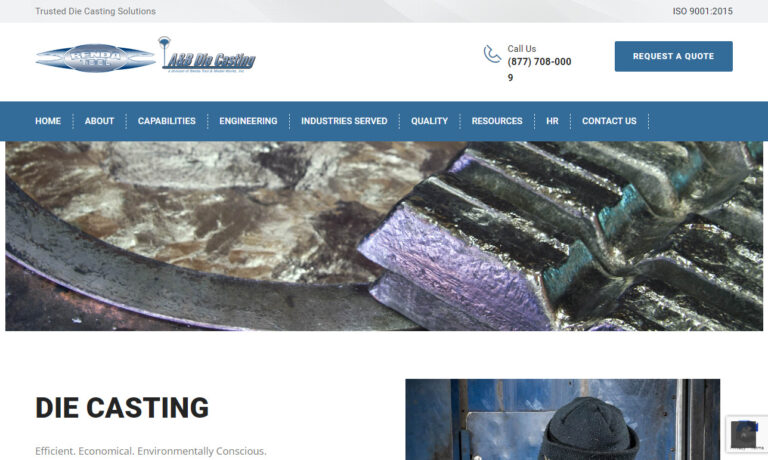
Precision die castings plus a multitude of related services, including engineering, designing, machining, finishing and assembly, occur at A and B Die Casting. Specializing in low to medium volume solutions, we also offer competitive prices.
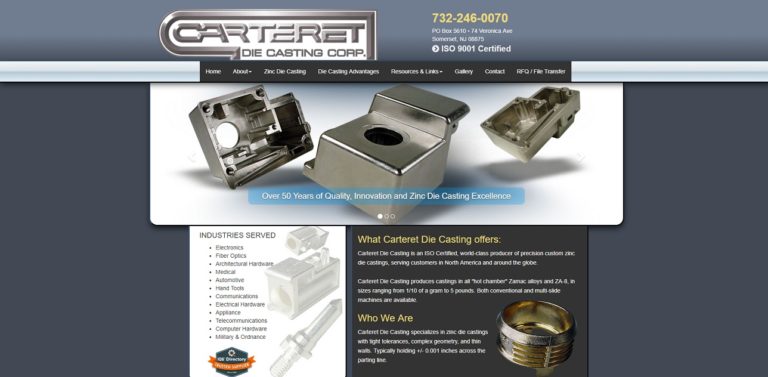
Carteret Die Casting has grown from a two man and two machine operation in a tiny 1000 square foot space, to a company that has over 20 state-of-the-art equipment.
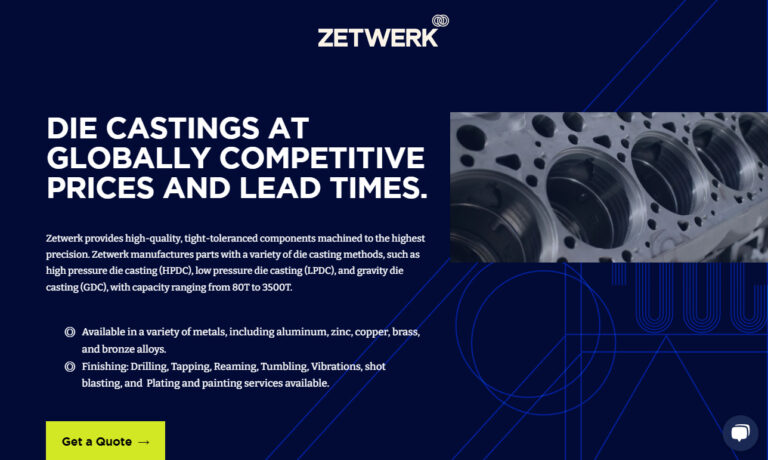
ZETWERK provides high quality die-cast components produced using range of materials including aluminum, zinc, copper, brass and bronze alloys. We also perform necessary secondary operations on the die-cast parts such as finish machining, surface treatment etc. ZETWERK is ISO 9001:2015 and AS9100D certified. Our die-casting plants are IATF 16949:2016 certified.
Precision Die Casting since 1950. Aluminum die casting and zinc die casting for aerospace, electronic, commercial industries. Turnkey operations from design or your blue print to assembly.
Modern Aluminum Castings offers customers full-service die castings and related capabilities from design to delivery. We work with a large variety of metal options, making us your one-stop source.
Carpenter Die Casting is more than just a die-casting manufacturer; we are your reliable partner in bringing your ideas to life. With decades of experience, a dedication to quality, and a proven track record, we stand ready to contribute our expertise to your next project. Discover the Carpenter Die Casting difference – where innovation meets tradition, and excellence is our standard.
We specialize in producing high-quality die castings using aluminum alloys. Our extensive product line includes components for various industries, such as automotive, aerospace, electronics, appliances, and more. From intricate and complex parts to large-scale castings, we have the expertise to deliver precise and reliable solutions. With years of experience in die casting, we offer a...
More Die Castings Companies
Die Casting Applications
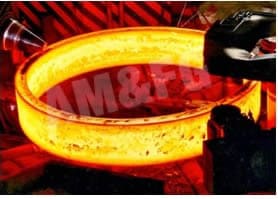
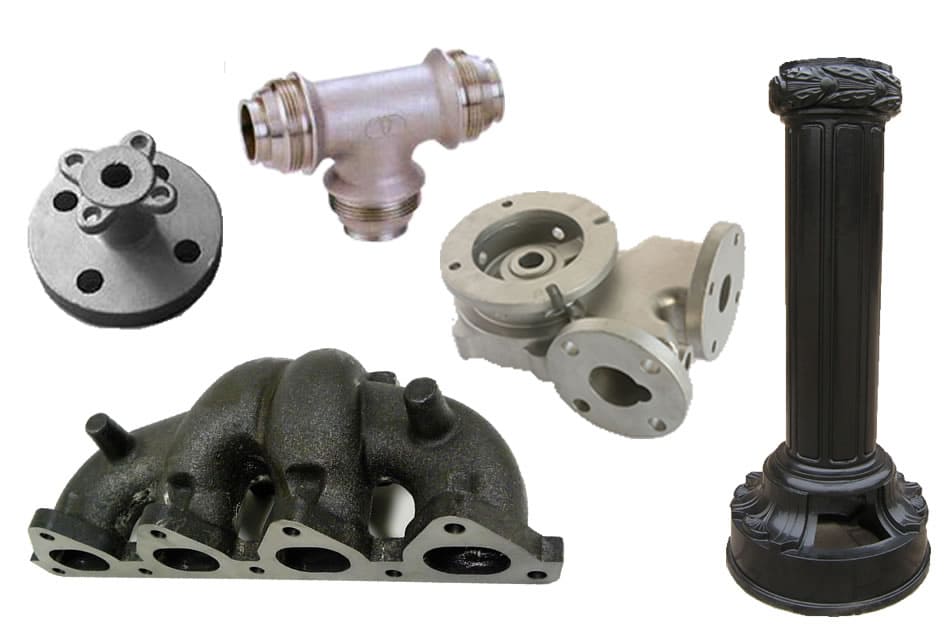
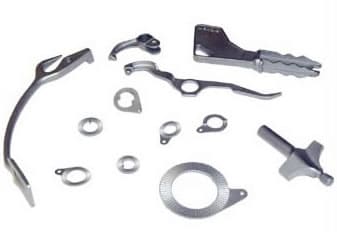
Die casting is used to create products, parts and shapes all of all sorts for a wide variety of industries. Customers value die cast parts for their durability, precision details and consistent high quality. Examples of these industries include automotive manufacturing, electronics, architecture and construction, EMI shielding, HVAC, fixtures and plumbing, furniture and industrial manufacturing.
Die casting is a metal manufacturing process that involves the melting of metals in a furnace and injecting the mold into a die in a die casting machine. The die casting process involves:
- The use of a furnace
- The metal to be cast
- Dies
- A die casting machine.
This method is preferred as it is known to produce accurate precision parts, with detailed specifications, and uniform quality. Thousands of castings can be produced and in the same mold with identical design and detail, making it ideal for mass production of components. This method is ideal for non-ferrous alloys such as zinc and aluminum.
Products Produced from Die Casting
Despite a moderate decline in the usage of this forming method since the introduction of processes like injection molding and vacuum forming, the number of die cast products in our world is incalculable.
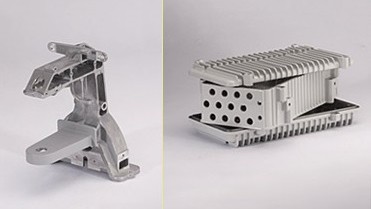
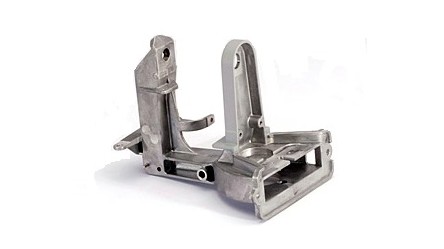
Die Cast Aluminum Parts – A&B Die Casting
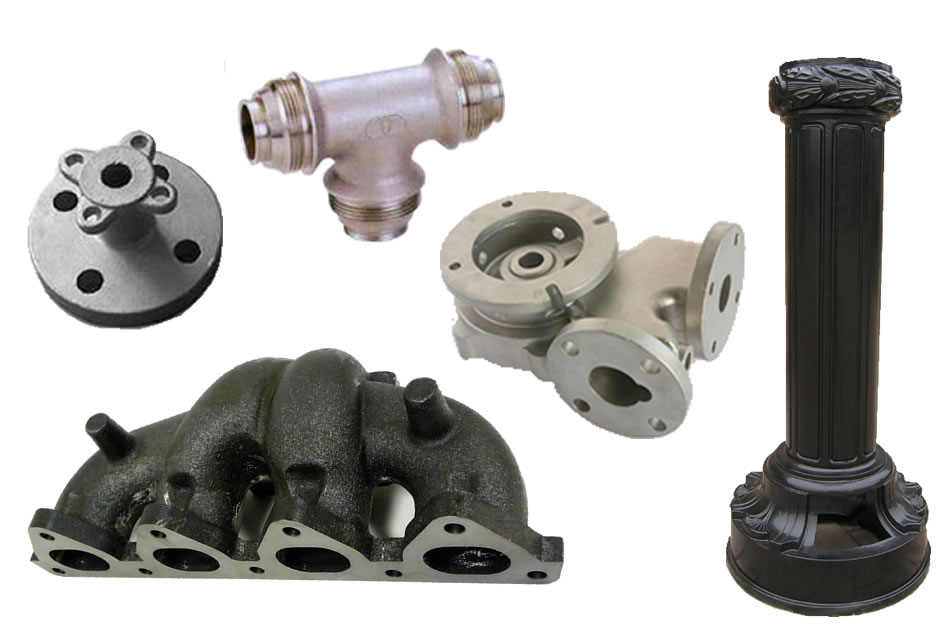
Die castings make up the majority of products requiring the strength of a seamless die-cast metal part, like sink faucets, gas pump handles and gumball machines. Also, automobile engine blocks frequently feature die cast aluminum valve covers. Other examples of die cast products include: engine cooling fans, air conditioner components, air valves and camera housings.
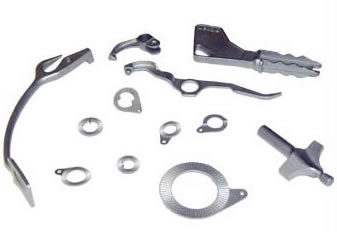
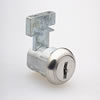
In the tech world, high tolerance magnesium die castings serve as housings and interior EMI enclosures of computer and electronic parts, while miniature zinc die cast parts service various electronic equipment applications. Zinc die casting is also frequently used for cabinetry and door handles.
History of Die Casting
The modern die casting process was invented in 1838. Its purpose at the time was to assist in printing by providing users with movable type for printing presses. About 100 years later, in 1949, the government issued a patent for a small, handheld device used to mechanize the printing industry.
In 1885, Otto Mergenthaler invented the nearest predecessor of the modern die-casting machine. It was called the linotype. The linotype was used to help print newspapers. It wasn’t until the 1890s that people began using die casting for more than the printing industry. At that time, manufacturers began using die press equipment to mass produce a wide variety of high quality items, such as frames, phonographs and cash registers.
No element of die casting has changed more than the materials used during the process. At first, the major metals cast via die casting were lead and tin. While quite malleable, they did not have a great strength-to-weight ratio. Around 1914, things changed when manufacturers began using zinc and aluminum. With these materials, manufacturers were able to make much stronger die cast products. Within twenty years, manufacturers had expanded to magnesium and copper. Today, manufacturers can use any non-ferrous metal in die casting.
As die castable metals have expanded, so have the techniques used to do so. Die casting machines can now function using much higher-pressure levels than ever before, and are able to churn out extremely high volumes of finished parts.
Die Casting Materials Process
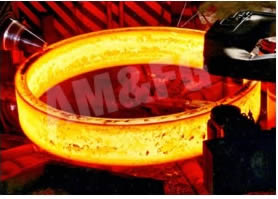
Metals used in die casting are usually some type of non-ferrous metal casting, like bronze, lead, tin, aluminum, zinc, magnesium or copper. Alloys, especially steel alloys, may be used as well, but steel parts are usually forged instead.
Bronze
Bronze is a copper alloy that is usually about 12% tin. It is one of the oldest alloys in the world. There are many different varieties of the bronze alloy with differing properties. Generally speaking though, all bronze alloys are: ductile, thermally conductive, electrically conductive and aesthetically pleasing.
Lead
Lead is naturally-occurring element that has been in use since at least prehistoric times in western Asia. It is dense, soft and malleable, with a relatively low melting point. It was once incredibly popular, but it is now heavily regulated because it is a recognized neurotoxic that is especially harmful to children. Lead is not allowed in any food service applications, nor is it allowed in pipes. Today, lead paint is banned in most European countries. Despite its toxicity, lead still has some uses in die casting, primarily as an alloy element. For example, when added to brass or bronze, it can increase machinability.
Tin
Tin is another early die casting metal. It offers high density and extremely close dimensional accuracy. It is one of the primary elements of bronze. Tin is quite useful, especially in alloying. However, certain organotin compounds can cause poisoning on par with cyanide. That’s why OSHA has set a legal limit for tin exposure in the workplace. In addition, that’s why tin is not allowed in food service. However, like lead, it makes an excellent alloy component. Its main mechanical property is corrosion resistance.
Aluminum
Aluminum casting is a process of pouring molten metal into molds. Aluminum and aluminum alloys are highly corrosion resistant, highly stable and highly conductive. They also have a very low density and are relatively easy to cast. These qualities make aluminum very useful in electrical industries. The only drawback of aluminum die casting is the fact that you cannot hot cast aluminum.
Zinc
Zinc is highly dense and highly ductile. It also boasts excellent surface smoothness, high impact resistance and castability. It is, however, susceptible to corrosion and often requires additional coating or plating. Most often, zinc is die cast into fine and very thin parts, such as mini electronic components.
Magnesium
Magnesium is the nine most abundant element in the universe. It has an extremely low density and an extremely high strength-to-weight ratio. Magnesium is incredibly machinable, even after casting and processing. It can be cast in either a hot or cold chamber. The only disadvantage of magnesium is the fact that it is susceptible to creep, also known as cold flow, and is therefore generally unsuitable in very high stress or very high temperature environments. Magnesium alloys, on the other hand, have potential in those environments.
Copper
Copper is a naturally-occurring element that has been in use for thousands of years. It is exceptionally stable, strong, durable, conductive, corrosion resistant and wear resistant. It has an extremely high melting point, which unfortunately means that it will more quickly wear out the dies and casting chambers used to treat it than those used to treat other metals.
Steel
Steel is a high strength alloy, made up primarily of carbon and iron. It used in all sorts of applications, including infrastructure, automotive manufacturing, defense, marine manufacturing, machines and more.
Die Casting Process Details
The die casting process is very short, lasting about a minute from the beginning to end, and is made up of six main stages as follows:
1. Clamping
This step involves the clamping of the two parts of the die where the metal will be injected. The two halves are cleaned and lubricated to facilitate the ejection of the mold. The two die halves are then securely clamped together to withstand the injection of the molten metal. This process is often automated.
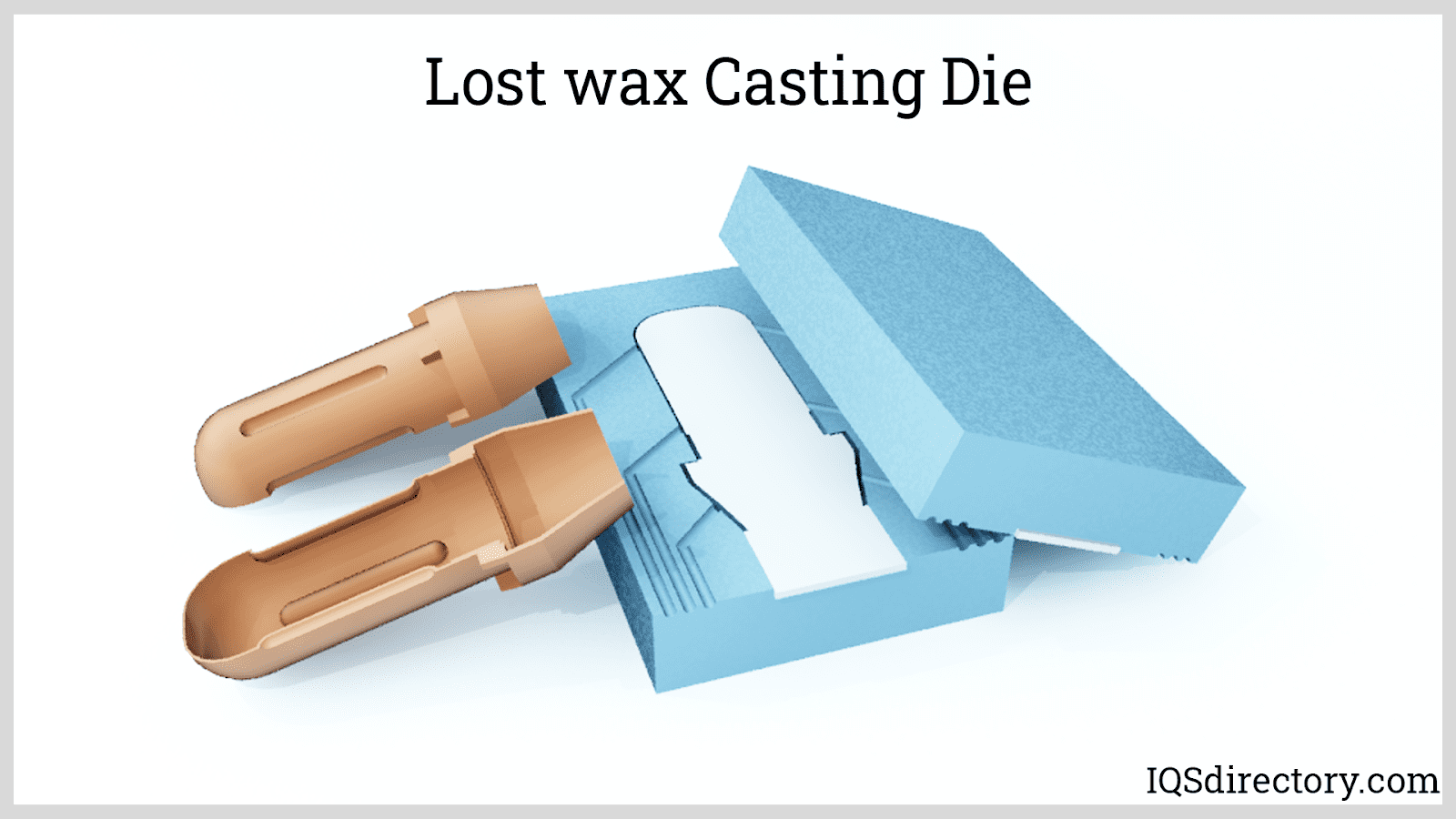
Closed die casting molds are made by cutting an original mold into two separate blocks, tooling them back together with their cavities aligned and spraying the new mold with a lubricant that helps regulate temperature and makes parts removal easier. Closed die casting molds can open and close, though, as their name suggests, they must be closed at the start of the die cast process.
2. Injection
Once closed, molten metal is poured into a shot sleeve and, under high pressure, injected into the die with a plunger. To prepare it for injection into the die, the metal is moved into a chamber before injection. The transfer method varies depending on the type of die being used, whether hot or cold chamber machine. The molten metal is injected at high pressure and at high speed to ensure even solidification. The injection time varies depending on the properties of the metal being used.
3. Cooling
The metal begins cooling and solidifying almost as soon as it enters the mold cavity. It cannot open until it cools and hardens completely. The molten metal injected into the die will cool and solidify in the predetermined shape set. The die will hold it as it cools, and the time taken to solidify will vary depending on the metal, the thickness of the casting, and the complexity of the design cast.
4. Ejection
When a mold cast part has solidified, pressure drops, the die opens and ejector pins push out the solidified metal shape, which is called a “shot,” rather than a part. The clamped die halves are opened after the predetermined cooling time has passed, and the casting is pushed out of the die cavity. The time taken before ejecting the die is estimated based on the properties of the metal and the size of the casting container. The ejection must ensure that no parts of the casting adhere to the die as it is readied for the next injection.
5. Trimming
Once the shot is ejected from the die, it is tooled and deburred to remove any excess material. Excess material usually forms in leakage areas between the die mold cavities and in channels leading to the die mold, taking the shape of flash, sprue, runners and gate.
The material in the die solidifies in the shape of casting along with any excess material, which is known as flash. The flash is trimmed from the casting either by sawing, cutting, or using a trimming press. The excess material scrapped may be reused in the die casting process after reconditioning or discarded altogether.
Flash is excess metal on a die cast part that extends past the die set’s parting line and blocks other metal from flowing past it and filling the mold.
Sprue transfers molten metal to the runners, which are horizontal mechanisms connected to the sprue for the purpose of transferring molten metal to the mold.
Finally, gate refers to both the passage molten metal takes from the runners to the die cavity and the complete ejected content of a die.
6. Finishing/Secondary Processing
As noted above, sometimes, this excess material requires more than tooling and deburring, and undergoes more secondary processes, such as CNC machining, surface finishing and plating. Such processes may accomplish a variety of things, like the removal of blisters and blow holes, surface strengthening and the increase of conductivity or compatibility.
How Die Cast Metal is Made
Die cast metals are made from a manufacturing process called die casting, in which molten metal is poured or forced into steel molds. These molds, called dies, are made from steel and are specially designed depending on the project. This allows for each component to be created with accuracy and repeatability. Most die casting processes use non-ferrous metals, especially zinc, copper, aluminum, magnesium, lead, and pewter. Depending on the type of metal being cast, a hot or cold die casting chamber may be used.
Smoothing and Polishing Process
After a die cast metal part has cooled off and removed from a mold, it still needs to be polished and smoothed out before it is moved into the next step in production. Excess components called sprues, runners, and flashes are still attached to the model part. These parts are usually removed by hand and returned to the furnace to be melted and recycled. Deformed parts are also returned to be re-used and re-molded. With all the excess components removed, the model part still has rough and sharp edges that need to be smoothed out. Polishing is done through the use of abrasive equipment. Depending on the metal, different equipment like polishing wheels with different grades of abrasiveness are used. For high-volume model polishing, especially those with smaller parts, ball bearing abrasion machines are used to smoothen out edges.
Die Casting Design
Before die casting your part, manufacturers will consider a number of factors, such as: element thicknesses and intricacies (affects the amount of time the metal should spend in mold or molds) and complexity of cast design (affects solidification time). To customize a die casting process for unique requirements, manufacturers can adjust the die design, process heat, the material composition or how long the material spends in a mold.
Machinery Used in Die Casting
Manufacturers can perform die casting using either a hot chamber machine or a cold chamber machine, as well as mold cavities.
Hot Chamber Machine
A hot chamber machine is used for high pressure die casting. Inside the hot chamber machine, molten metal is injected at an extremely high pressure and never separated from the machine.
Cold Chamber Machine
A cold chamber machine uses metal that has been melted in a separate area. The metal is ladled into the die cast machine.
Mold Cavity
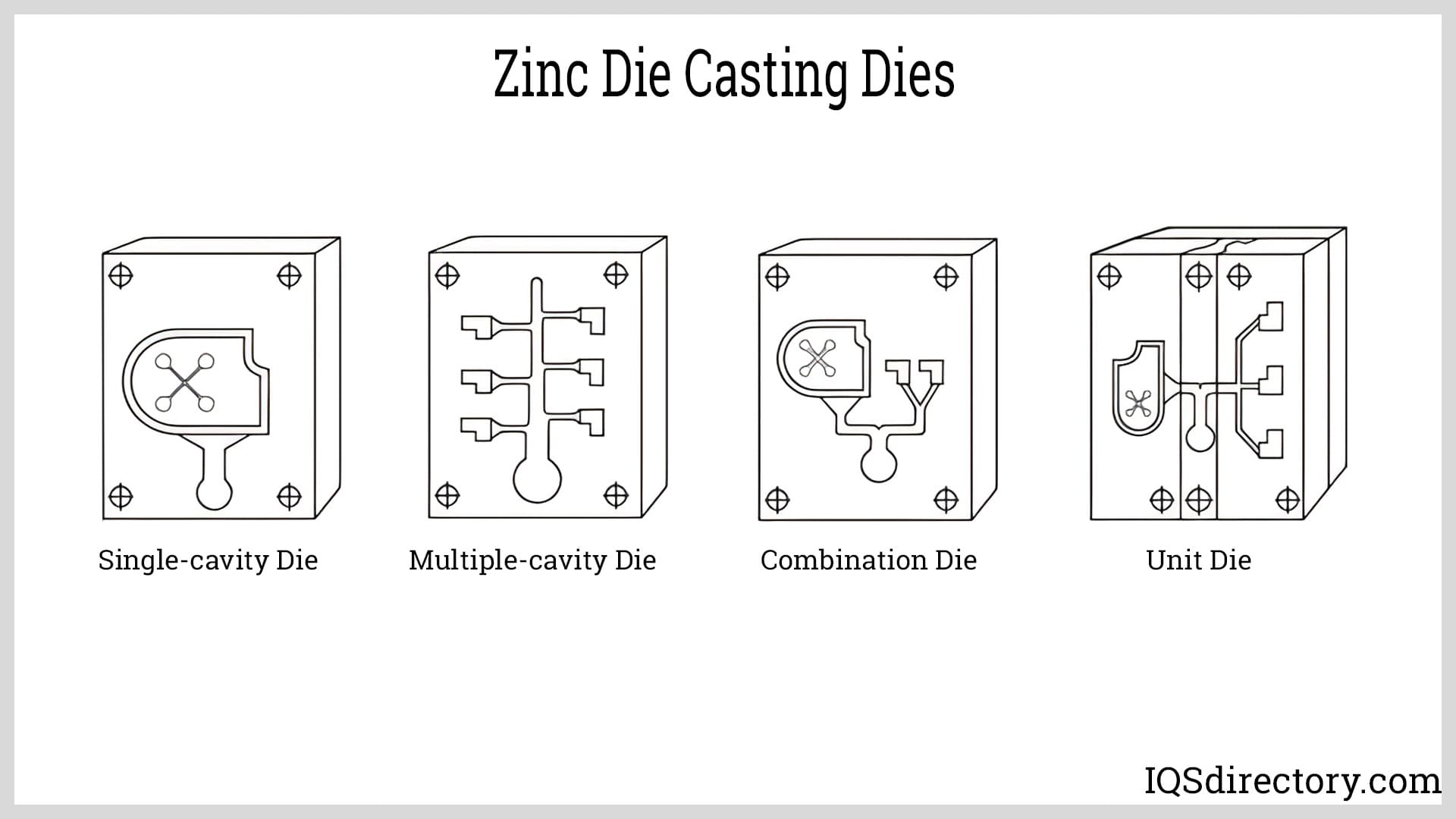
The mold cavity is made from two hardened dies. Every die is cut from metal to create a certain shape, and most are made to create closed die castings. The mold cavity works similarly to an injection mold. It does reflect the exact dimensions of the finished part, allowing for occurrences like: machining, distortion draft and shrinkage.
All die casting machinery can be customized per the needs of the application.
Variations and Similar Processes of Die Casting
Variations on standard die casting include: vacuum pressure casting, low-pressure casting, semi-solid die casting and squeeze die casting.
Vacuum Pressure Casting
Vacuum pressure die casting places the metal in a chamber above the mold. Applied vacuum pressure forces the metal into the mold cavity, where it cools and hardens. This process reduces any turbulence caused by the sudden movement of the metal. It also limits the amount of gas inclusions.
Low-Pressure Casting
During low pressure casting, molten metal rests in a chamber below the mold, where it is pressurized until it rises up through a tube into the mold cavity. This die casting method is used to create precise, symmetric designs, like car wheel casings. Low-pressure casting is most popular for making aluminum components.
Semi-Solid Die Casting
This casting process starts by cutting a workpiece into several smaller pieces, called slugs. These slugs are then melted down until they have a somewhat slushy texture, they are then forced into the mold cavity, where they cool and harden. Semi-solid die casting, also known as thixoforming, offers its users a great degree of precision. Most often, it is used with aluminum, aluminum alloys or magnesium alloys.
Squeeze Die Casting
Squeeze die casting begins when molten metal is poured into an open die. Once the metal is inside, the die squeezes shut, pushing the metal out to every corner of the die. Squeeze die cast parts are exceptionally dense. Most often, die casting manufacturers use this process with low fluidity metals and aluminum/aluminum alloys with high levels of viscosity.
Additional Types of Die Casting
There are two main types of casting and the type used depends on the qualities of the metal being cast and the expected use of the part.
- Hot chamber machines are used for alloys with low melting temperatures which do not dissolve when heated, such as zinc.
- Cold chamber machines are used for alloys with high melting temperatures, such as aluminum alloys.
In both processes, the mold is covered with a lubricant to ensure easy removal. The mold is first filled in the casting chamber of the die casting machine, where pressure is exerted and is applied by a piston. The differences in the two casting types lie in the structure of the casting chamber.
For the hot chamber casting machine, the casting chamber is in constant contact with the molten alloy. Having been forced through a valve into a cast, pressure is applied at high speeds into the die casting mold using a piston. However, for the cold chamber die casting machine, the casting set is located outside the molten alloy. To manufacture a component, the mold is pushed to the casting chamber, where similar to the hot chamber casting machine, the pressure is exerted into the die casting mold.
Properties of Aluminum Sand Casting
Aluminum sand casting is the process of molding aluminum in sand molds.
Process
Preparing the Mold for Casting:
The process begins with the creation of the mold. The top and bottom of the mold are called cope and drag. The mold pattern is the shape of the desired final object. Once the mold is created, it is lubricated. The lubrication will make it easier to take the casting out.
Manufacturers can use a green sand casting method or an air-set method of casting. The green sand casting method uses wet sand and other organic clays as a binder. When the mold isn’t set yet, the sand looks green. The aluminum sand casting process uses olivine sand. It’s best not to use silica for the green sand method.
The air set method uses sand bonded with other materials and fast-curing adhesives. Manufacturers will use bank sand or synthetic sand when using the air set method. The sand is stuffed in the mold cavity, and a plug is formed in it for pouring the liquid metal. The sand is pressed and takes time to settle down.
Applying the Metal to the Mold:
Next, the molten metal or aluminum is poured into the cavity through the gating system. The halves of the mold are clamped together with jackets. The metal is allowed to sit, cool, and begin to solidify. After cooling, the sand mold is broken down to remove the cast. Sometimes manufacturers use vibrating machines to dislodge the sand from the cast.
Finishing & Final Steps:
The excess metal is trimmed manually or with a trimming tool. The excess metal can be reused in the sand-casting process. The final product can be polished or powder coated for a shiny, smooth finish.
Binders
Binders are chemical mixtures that make cores and molds stronger. There are different options for binders in aluminum sand casting. These are:
- Clay and water – Bentonite clay is the most common choice for the sand casting process. However, kaolinite clay is also used throughout the industry.
- Resins – Resins can be synthetic or natural. Some manufacturers experiment with additives and resin to manipulate the casting outcome.
- Water Glass – Water glass, or sodium silicate, is a fast-drying, sturdy binder and can be used at room temperature. Sodium silicate works well with silica sand.
Additives and Parting Compounds
Additives are added to the mold to enhance its properties. Coal powder and fuel oil additives prevent the liquid metal from sticking to the sand particles. Other parting compounds help detach replicated parts from their molds. Parting compounds could be dry silica, talc, and graphite.
Applications of Aluminum Sand Casting
- Aluminum sand casting is used to make components like air compressor pistons, bearings, blowers, bushings, cams, electronic equipment, and engine crankcases.
- These are also used to make engine oil pans, fittings, low-pressure valves, and other machine parts.
Die Casting Benefits
Why invest in die castings? For one, the process of die casting is affordable and versatile; it offers high volume, low cost means of producing metal shapes, products and parts that have much closer tolerances and far more intricate designs than pieces produced by other methods. The intricacy of die castings does not slow down the process of fabricating them. Rather, die castings, especially zinc and aluminum ones, can be manufactured in large quantities at a low cost without facing compromise of quality.
Die castings are also produced with fewer secondary processes and less processing than those made through methods like metal stamping, hand tooling or forging. Their versatility continues with casting options; they may be made through hot chamber or cold chamber casting and they can be made into virtually any shape. Die castings are durable and strong, and highly popular worldwide. If your die molds are carefully designed, your materials thoughtfully selected and equipment properly installed and maintained, your investment will bear fruit.
Die casting has numerous advantages over other manufacturing processes. Die casting is used to produce components in a wide range of shapes efficiently and cost-effectively. The products of the die casting process have quality in both longevity and aesthetic value, giving the manufacturer the benefit of reliability and customizability. The die casting process produces components at high speeds while maintaining complex designs and close tolerances between the products. The products of this process do not require post-production processing, as they do not require additional tooling or further shaping. The final products can withstand significant heat and tension variances that might occur in most appliances.
How to Find the Right Die Casting Manufacturer
The key to a great experience is not just a great manufacturer—it’s the right manufacturer. Of course, to find the right manufacturer, you do need to start with some good options. To help you with this, we’ve compiled a list of die casting companies in whom we have faith. You’ll find their contact information and comprehensive profiles sprinkled throughout this page. Take some time and look at what they each have to offer. Compare their products and die casting services to your needs, and pick out three or four that you believe have the most potential to help you succeed. Then, reach out to each of them to discuss your specifications. Don’t forget to include your budget, timeline, delivery preferences and standard requirements. Make sure they can meet all of your requirements before agreeing to give them your business. When you’ve spoken with each of them, compare and contrast your conversations. Choose the manufacturer you believe will offer you the best service, and get started.
Check out our Forgings website